-

The voting day crisis election officials fear
Hacking of the unofficial results could lead to confusion and mistrust of the final result, according to election officials.
-
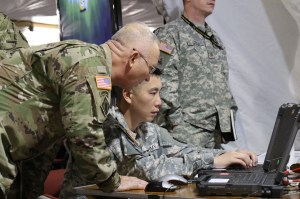
Why cybersecurity intelligence is still bad (and a way to fix it)
The ability to predict an impending cyberattack is insufficient, according to a new survey, but there are systems that may help.
-

Pentagon moves to secure supply chain from foreign hackers
The Pentagon has started a test pilot program to see what companies supply its parts, according to a top defense contractor.
-

Top US intelligence official takes veiled shot at Google
Dan Coats seemed to criticize Google, questioning the logic of American companies who refuse to work with the U.S. government but partner with China.
-

What’s driving NATO’s boost in cyber operations
Two announcements have bolstered the transatlantic partnership’s shift to deterring cyberattacks.
-

After 2012 hack, Saudia Arabia relied on US contractors
The extent of Saudi Arabia’s reliance on western cybersecurity contractors appears to be extensive.
-

Support for ‘hack back’ grows after Trump’s pledge to get aggressive in cyberspace
Support for the idea that businesses should be able to retaliate to cyberattacks, or “hack back,” has recently come from former government officials, experts and lawmakers who say it could be effective deterrent.
-

Why the Social Security number needs a digital update
Anywhere from 60 to 80 percent of Social Security numbers have been compromised by cybercriminals, a catalyst for protecting them with a more dynamic credential technology.
-

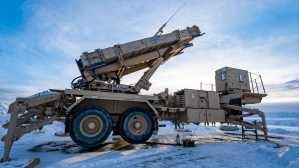
How to protect jets, missiles and ships from cyberattacks
Experts told Fifth Domain that protecting American weapons systems from cyberattacks will require a culture of cyber hygiene, resilient systems and a workforce overhaul.
-
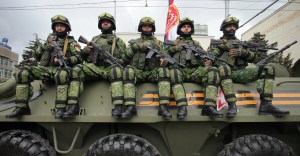
How Russian hybrid warfare changed the Pentagon’s perspective
As the Russians blitzed the Crimean region of Ukraine with cyberattacks, electromagnetic jamming and unmanned aerial systems, the U.S. military closely observed the battle tactics and recognized its need to transform.
-
The voting day crisis election officials fear
Hacking of the unofficial results could lead to confusion and mistrust of the final result, according to election officials.
-
Why cybersecurity intelligence is still bad (and a way to fix it)
The ability to predict an impending cyberattack is insufficient, according to a new survey, but there are systems that may help.
-
Pentagon moves to secure supply chain from foreign hackers
The Pentagon has started a test pilot program to see what companies supply its parts, according to a top defense contractor.
-
Top US intelligence official takes veiled shot at Google
Dan Coats seemed to criticize Google, questioning the logic of American companies who refuse to work with the U.S. government but partner with China.
-
What’s driving NATO’s boost in cyber operations
Two announcements have bolstered the transatlantic partnership’s shift to deterring cyberattacks.
-
After 2012 hack, Saudia Arabia relied on US contractors
The extent of Saudi Arabia’s reliance on western cybersecurity contractors appears to be extensive.
-
Support for ‘hack back’ grows after Trump’s pledge to get aggressive in cyberspace
Support for the idea that businesses should be able to retaliate to cyberattacks, or “hack back,” has recently come from former government officials, experts and lawmakers who say it could be effective deterrent.
-
Why the Social Security number needs a digital update
Anywhere from 60 to 80 percent of Social Security numbers have been compromised by cybercriminals, a catalyst for protecting them with a more dynamic credential technology.
-
How to protect jets, missiles and ships from cyberattacks
Experts told Fifth Domain that protecting American weapons systems from cyberattacks will require a culture of cyber hygiene, resilient systems and a workforce overhaul.
-
How Russian hybrid warfare changed the Pentagon’s perspective
As the Russians blitzed the Crimean region of Ukraine with cyberattacks, electromagnetic jamming and unmanned aerial systems, the U.S. military closely observed the battle tactics and recognized its need to transform.
-

The voting day crisis election officials fear
Hacking of the unofficial results could lead to confusion and mistrust of the final result, according to election officials.
-
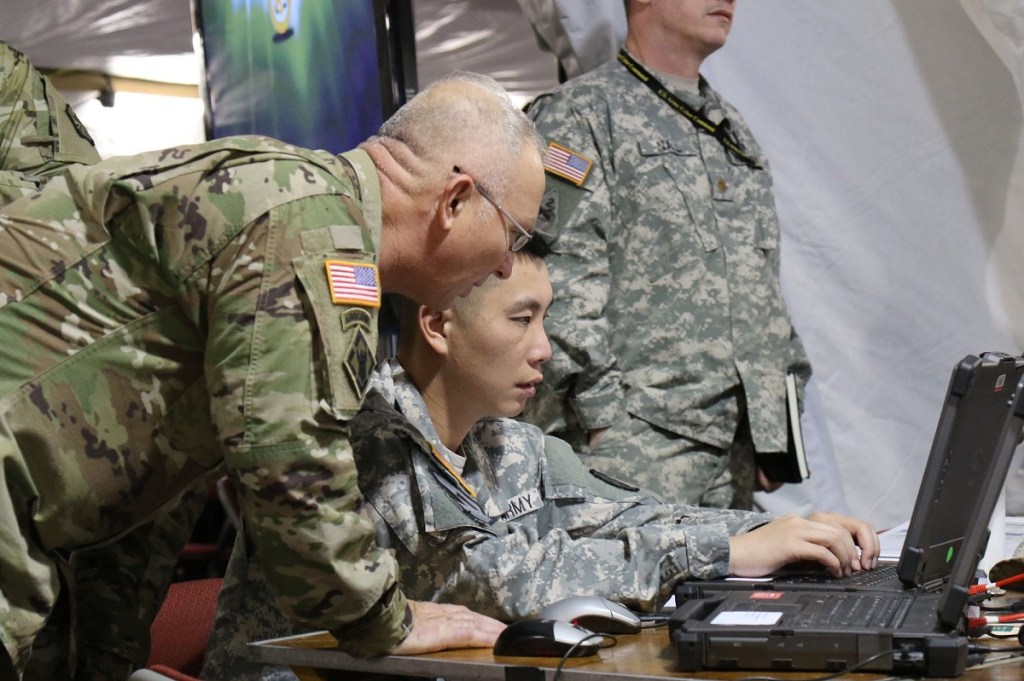
Why cybersecurity intelligence is still bad (and a way to fix it)
The ability to predict an impending cyberattack is insufficient, according to a new survey, but there are systems that may help.
-

Pentagon moves to secure supply chain from foreign hackers
The Pentagon has started a test pilot program to see what companies supply its parts, according to a top defense contractor.
-

Top US intelligence official takes veiled shot at Google
Dan Coats seemed to criticize Google, questioning the logic of American companies who refuse to work with the U.S. government but partner with China.
-
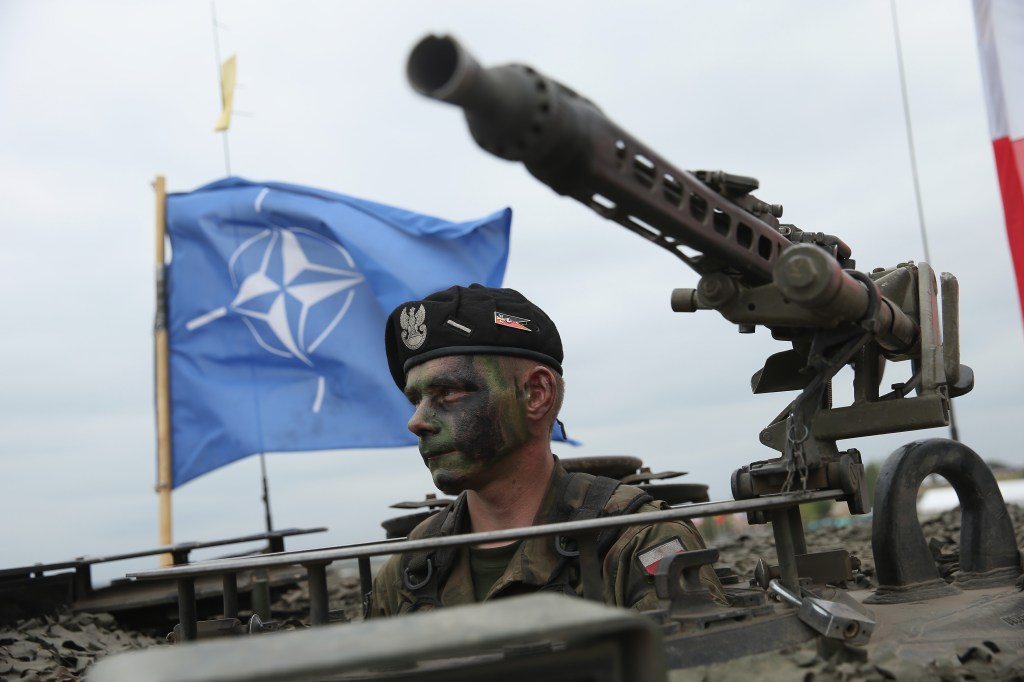
What’s driving NATO’s boost in cyber operations
Two announcements have bolstered the transatlantic partnership’s shift to deterring cyberattacks.
-

After 2012 hack, Saudia Arabia relied on US contractors
The extent of Saudi Arabia’s reliance on western cybersecurity contractors appears to be extensive.
-
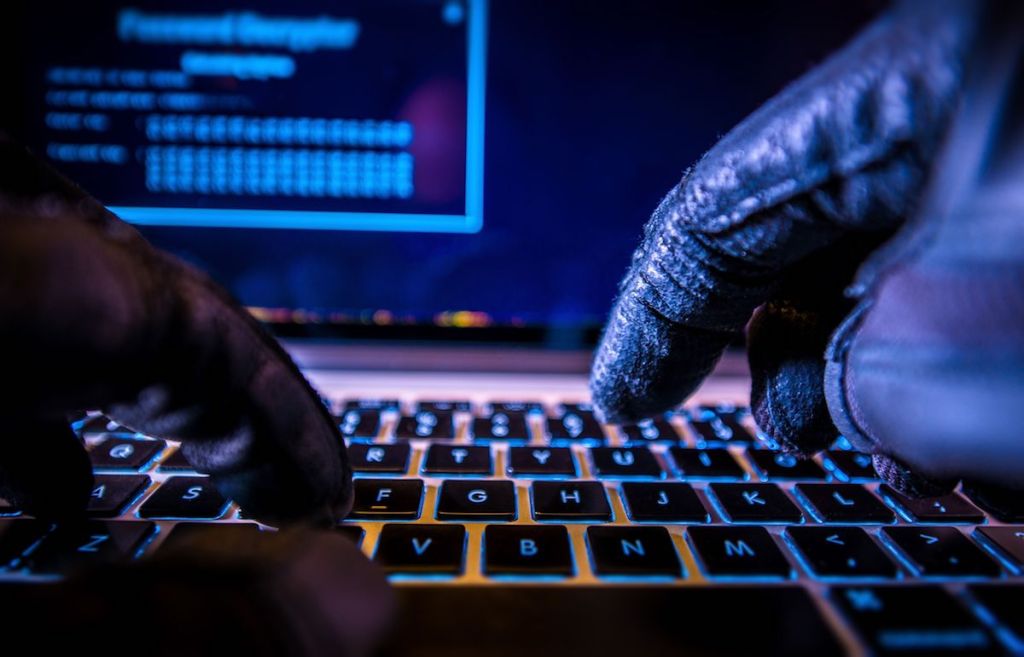
Support for ‘hack back’ grows after Trump’s pledge to get aggressive in cyberspace
Support for the idea that businesses should be able to retaliate to cyberattacks, or “hack back,” has recently come from former government officials, experts and lawmakers who say it could be effective deterrent.
-
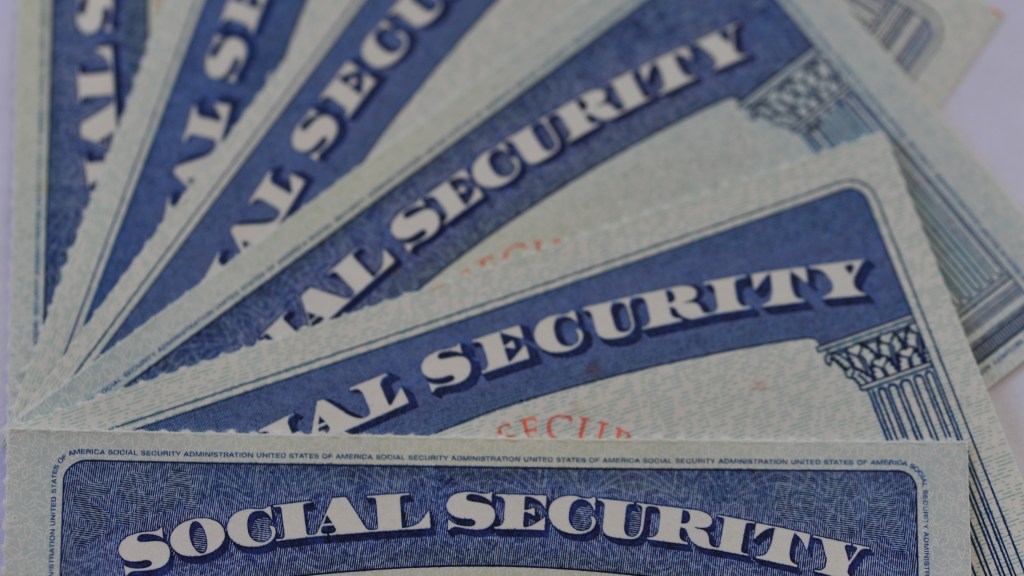
Why the Social Security number needs a digital update
Anywhere from 60 to 80 percent of Social Security numbers have been compromised by cybercriminals, a catalyst for protecting them with a more dynamic credential technology.
-
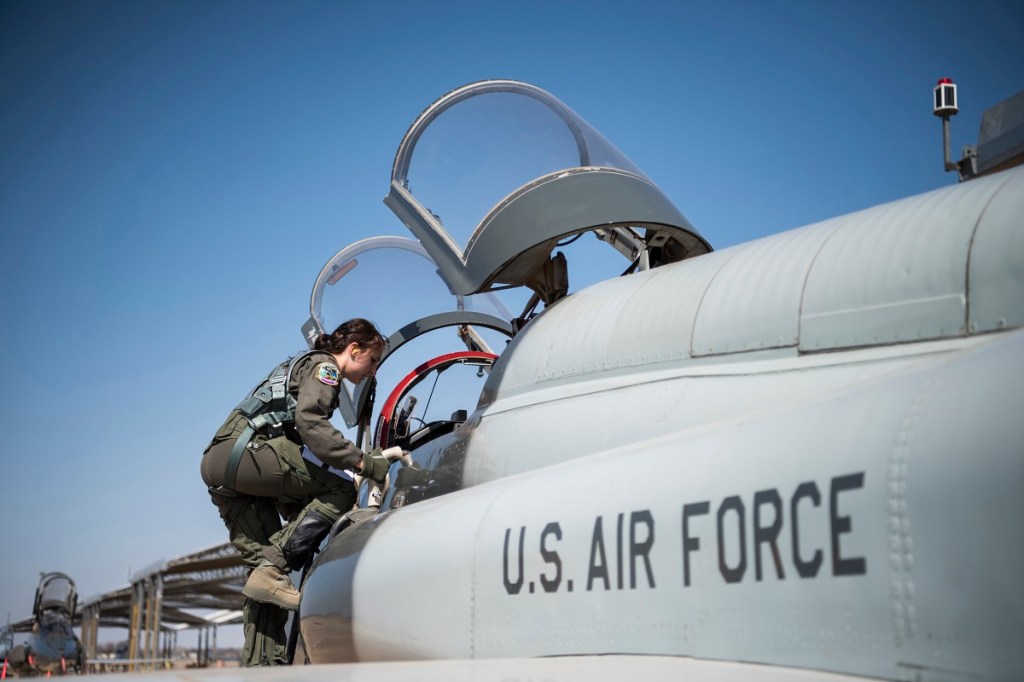
How to protect jets, missiles and ships from cyberattacks
Experts told Fifth Domain that protecting American weapons systems from cyberattacks will require a culture of cyber hygiene, resilient systems and a workforce overhaul.
-
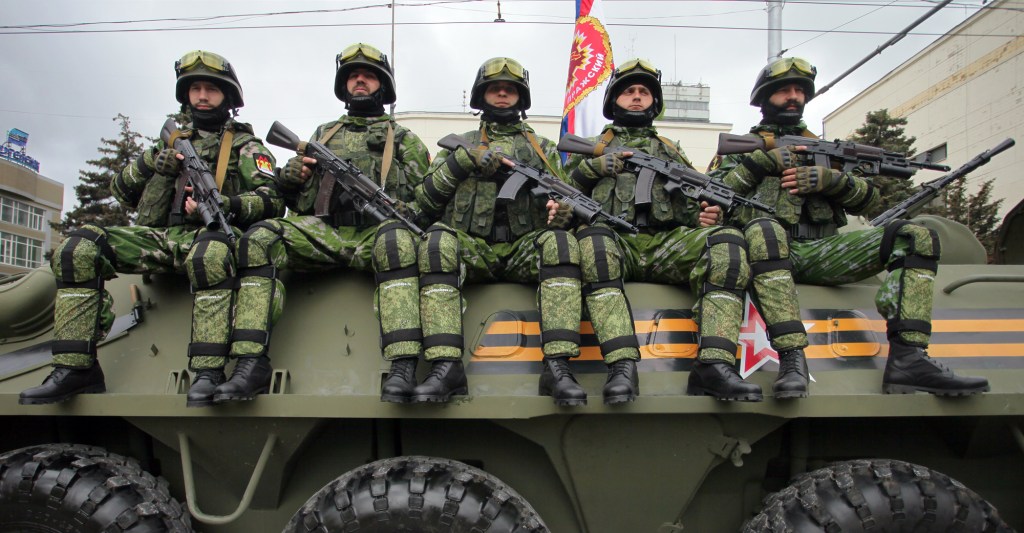
How Russian hybrid warfare changed the Pentagon’s perspective
As the Russians blitzed the Crimean region of Ukraine with cyberattacks, electromagnetic jamming and unmanned aerial systems, the U.S. military closely observed the battle tactics and recognized its need to transform.