-

Army may swap AI bill of materials for simpler ‘baseball cards’
“We know innovation’s happening in the open-source environment,” said the Army’s Bharat Patel. “We also know who’s contributing to the open source.”
-
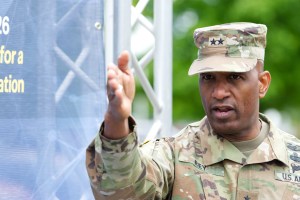
Ellis to succeed Rey as director of Army Network Cross-Functional Team
Brig. Gen. Patrick Ellis is expected to take over this summer.
-
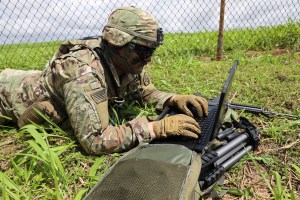
Unmanned, uncompromised: The imperative of securing drone networks
As technology advances, so do the capabilities of malicious nation-state actors seeking to exploit weaknesses in network defenses.
-

Project Overmatch’s Small says EW is ‘killer app’ for unmanned tech
The Navy is investing in unmanned systems — on the water, as well as above and below it — to augment existing and near-future firepower.
-

Secretive US cyber force deployed 22 times to aid foreign governments
“Enhancing the security of government, private sector and critical infrastructure systems grows ever more imperative,” said Air Force Gen. Timothy Haugh.
-

Information warfare becoming a critical submarine capability: Aeschbach
“We are in demand, more in demand than we’ve ever been, and that will continue to increase,” Vice Adm. Kelly Aeschbach said at the Sea-Air-Space confab.
-

Why the Pentagon’s use of 3D printing is ‘not quite there yet’
The needs are perhaps most clear for the Navy, and yet even for that service, the technology — and the path to using it more widely — is still maturing.
-

Pentagon establishes cyber policy office as Sulmeyer awaits approval
“In standing up this office, the department is giving cyber the focus and attention that Congress intended,” said Sasha Baker, a Pentagon official.
-

Pentagon seeks stronger digital defense for industry in cyber strategy
The Pentagon’s pool of contractors and related resources is under constant threat of foreign influence and online harassment.
-
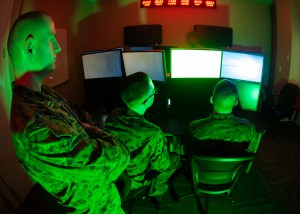
Marines head to Japan in test of cyber rotational force concept
“As the threat to our critical cyber infrastructure evolves, it is essential that the Marine Corps be able to defend our forward-deployed networks.”
-
Army may swap AI bill of materials for simpler ‘baseball cards’
“We know innovation’s happening in the open-source environment,” said the Army’s Bharat Patel. “We also know who’s contributing to the open source.”
-
Ellis to succeed Rey as director of Army Network Cross-Functional Team
Brig. Gen. Patrick Ellis is expected to take over this summer.
-
Unmanned, uncompromised: The imperative of securing drone networks
As technology advances, so do the capabilities of malicious nation-state actors seeking to exploit weaknesses in network defenses.
-
Project Overmatch’s Small says EW is ‘killer app’ for unmanned tech
The Navy is investing in unmanned systems — on the water, as well as above and below it — to augment existing and near-future firepower.
-
Secretive US cyber force deployed 22 times to aid foreign governments
“Enhancing the security of government, private sector and critical infrastructure systems grows ever more imperative,” said Air Force Gen. Timothy Haugh.
-
Information warfare becoming a critical submarine capability: Aeschbach
“We are in demand, more in demand than we’ve ever been, and that will continue to increase,” Vice Adm. Kelly Aeschbach said at the Sea-Air-Space confab.
-
Why the Pentagon’s use of 3D printing is ‘not quite there yet’
The needs are perhaps most clear for the Navy, and yet even for that service, the technology — and the path to using it more widely — is still maturing.
-
Pentagon establishes cyber policy office as Sulmeyer awaits approval
“In standing up this office, the department is giving cyber the focus and attention that Congress intended,” said Sasha Baker, a Pentagon official.
-
Pentagon seeks stronger digital defense for industry in cyber strategy
The Pentagon’s pool of contractors and related resources is under constant threat of foreign influence and online harassment.
-
Marines head to Japan in test of cyber rotational force concept
“As the threat to our critical cyber infrastructure evolves, it is essential that the Marine Corps be able to defend our forward-deployed networks.”
-

Army may swap AI bill of materials for simpler ‘baseball cards’
“We know innovation’s happening in the open-source environment,” said the Army’s Bharat Patel. “We also know who’s contributing to the open source.”
-
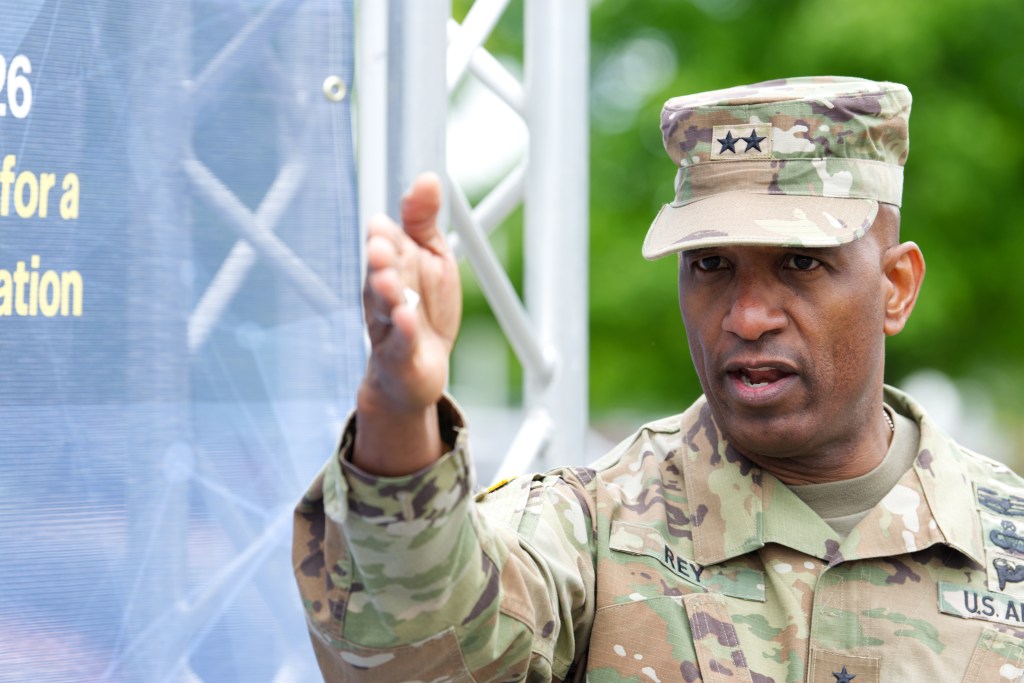
Ellis to succeed Rey as director of Army Network Cross-Functional Team
Brig. Gen. Patrick Ellis is expected to take over this summer.
-
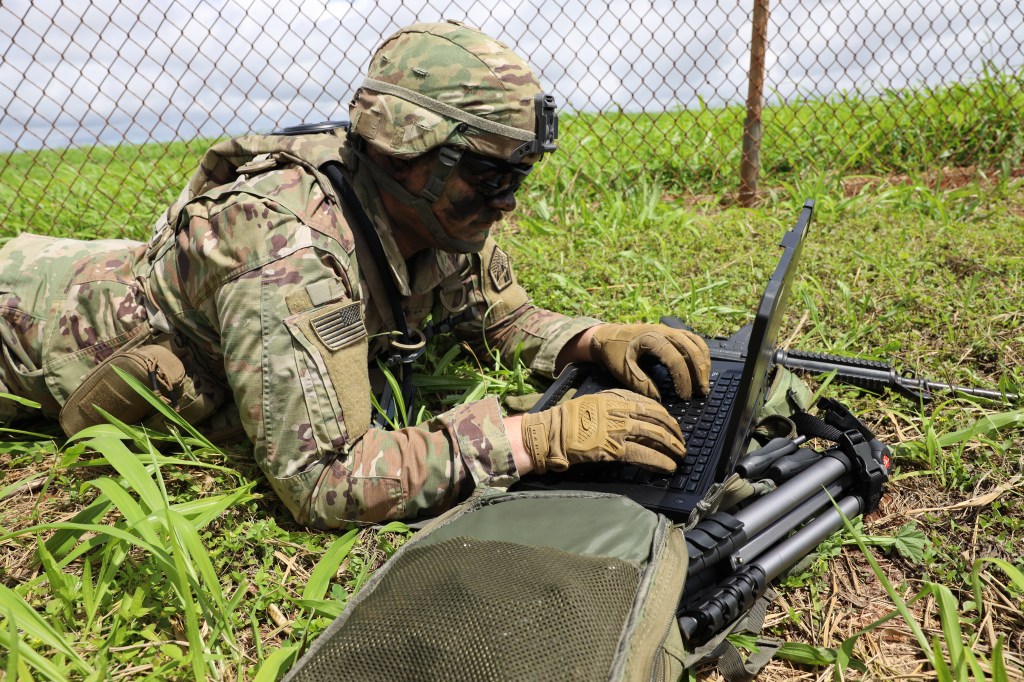
Unmanned, uncompromised: The imperative of securing drone networks
As technology advances, so do the capabilities of malicious nation-state actors seeking to exploit weaknesses in network defenses.
-

Project Overmatch’s Small says EW is ‘killer app’ for unmanned tech
The Navy is investing in unmanned systems — on the water, as well as above and below it — to augment existing and near-future firepower.
-

Secretive US cyber force deployed 22 times to aid foreign governments
“Enhancing the security of government, private sector and critical infrastructure systems grows ever more imperative,” said Air Force Gen. Timothy Haugh.
-

Information warfare becoming a critical submarine capability: Aeschbach
“We are in demand, more in demand than we’ve ever been, and that will continue to increase,” Vice Adm. Kelly Aeschbach said at the Sea-Air-Space confab.
-

Why the Pentagon’s use of 3D printing is ‘not quite there yet’
The needs are perhaps most clear for the Navy, and yet even for that service, the technology — and the path to using it more widely — is still maturing.
-

Pentagon establishes cyber policy office as Sulmeyer awaits approval
“In standing up this office, the department is giving cyber the focus and attention that Congress intended,” said Sasha Baker, a Pentagon official.
-
Pentagon seeks stronger digital defense for industry in cyber strategy
The Pentagon’s pool of contractors and related resources is under constant threat of foreign influence and online harassment.
-
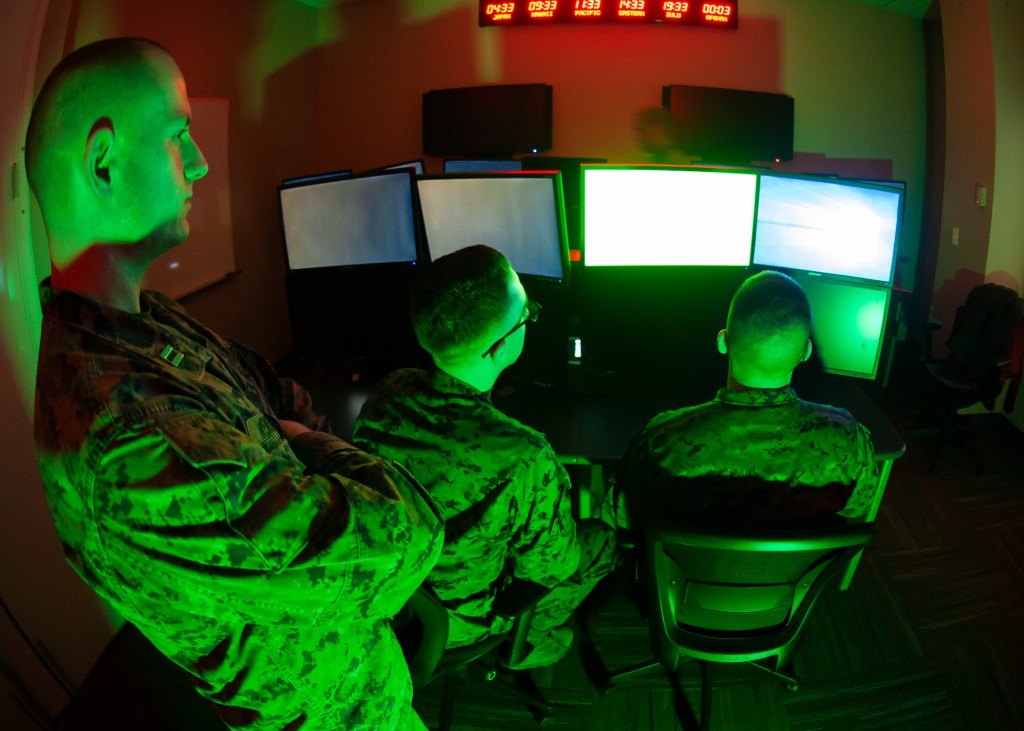
Marines head to Japan in test of cyber rotational force concept
“As the threat to our critical cyber infrastructure evolves, it is essential that the Marine Corps be able to defend our forward-deployed networks.”