
-

What the Cyber Workforce bill means for federal IT professionals
President Biden signed the Federal Rotational Cyber Workforce Program Act into law, offering agencies a practical solution to the cyber staffing crisis—if they act proactively.
-

Using the 5Cs of fraud prevention in government programs
By detecting anomalies in data using advanced technologies such as artificial intelligence and machine learning, agencies are able to identify nefarious activity and stop it before more costly and malicious activity occurs. Actionable information extracted from data can also enable agencies to detect and prevent fraud before it happens.
-
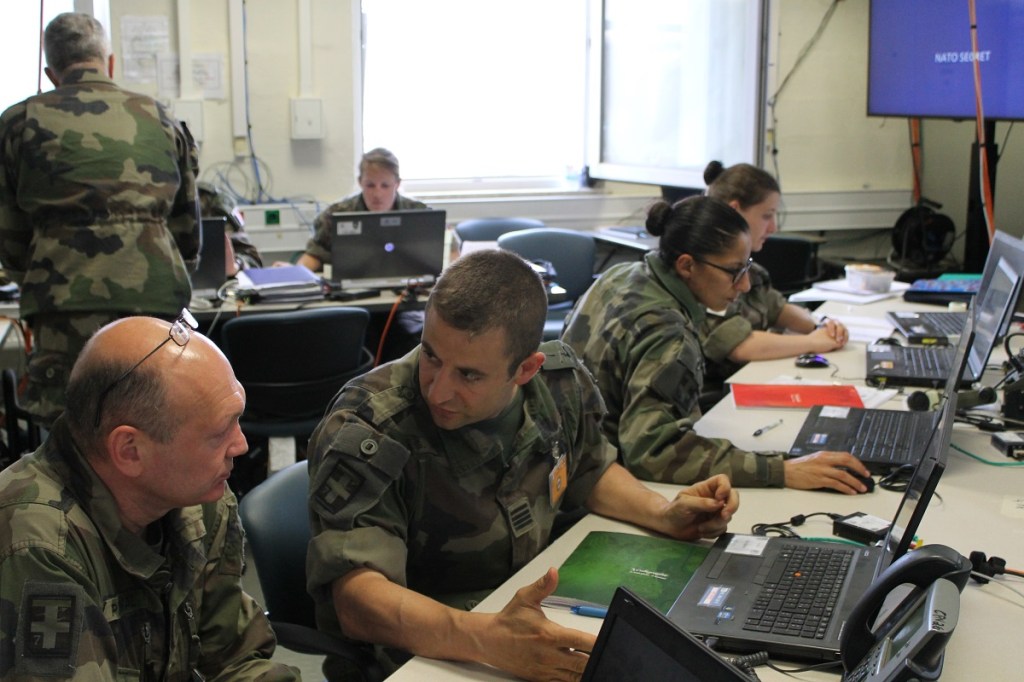
Pentagon wants industry’s help to bolster allies and partners’ cybersecurity
The Pentagon’s cyber policy shop wants US industry to help allies and partners strengthen cybersecurity.
-

The cyber battlefield against China and Russia is constantly shifting. Here’s how the NSA is trying to stay on top.
“Even as we’re on this call right now, the cyberspace domain is changing,” a senior NSA official said. “New malware is being released, new vulnerabilities are being discovered”
-

Pentagon ‘zero trust’ cyber office coming in December
David McKeown, DoD’s chief information security officer, spoke at C4ISRNet’s CyberCon.
VIDEOS
More Videos
More Stories
-

US Air Force components partner on low code, no code pilot programs
The 16th Air Force and Air Force CyberWorx partner to develop applications that users actually need.
-
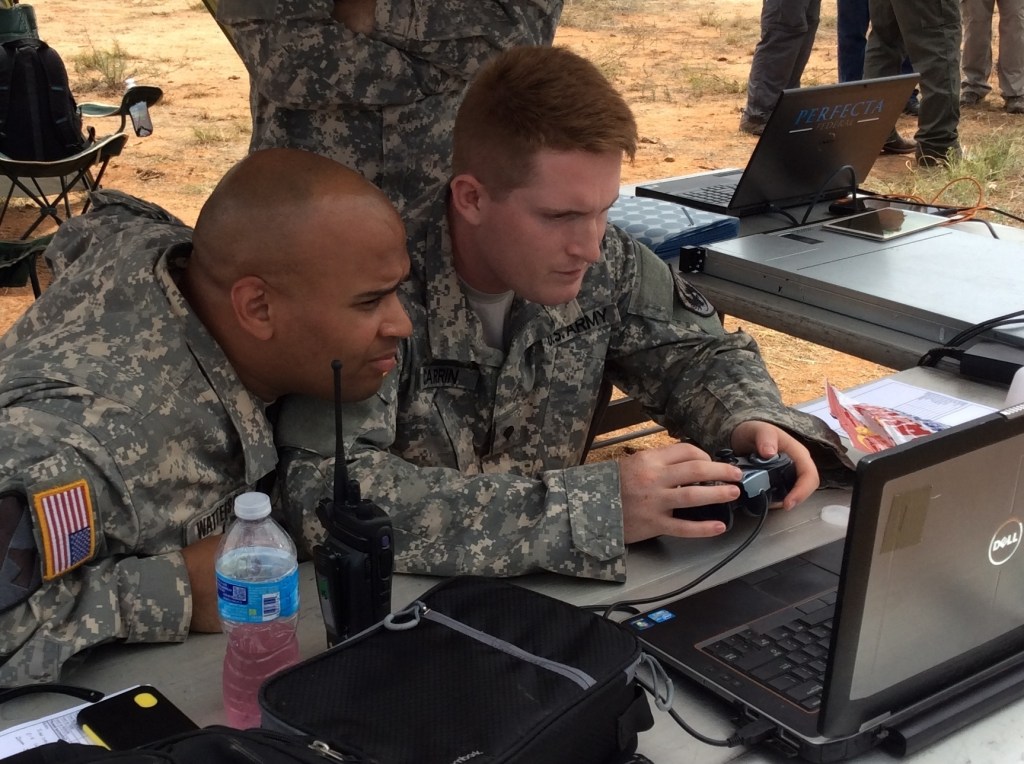
US Army plans to extend program that allows teleworkers to access classified information
As the U.S. Army moves forward with its classified telework plan, the Navy has taken notice.
-

Lawmaker wants speedier attribution for cyberattacks
Rep. Jim Langevin believes nations need to more quickly and publicly attribute malign cyber activity by other nations.
-

Pentagon extends use of remote work platform to June 2021
The Pentagon will replace it next year with an “enduring solution.”
-
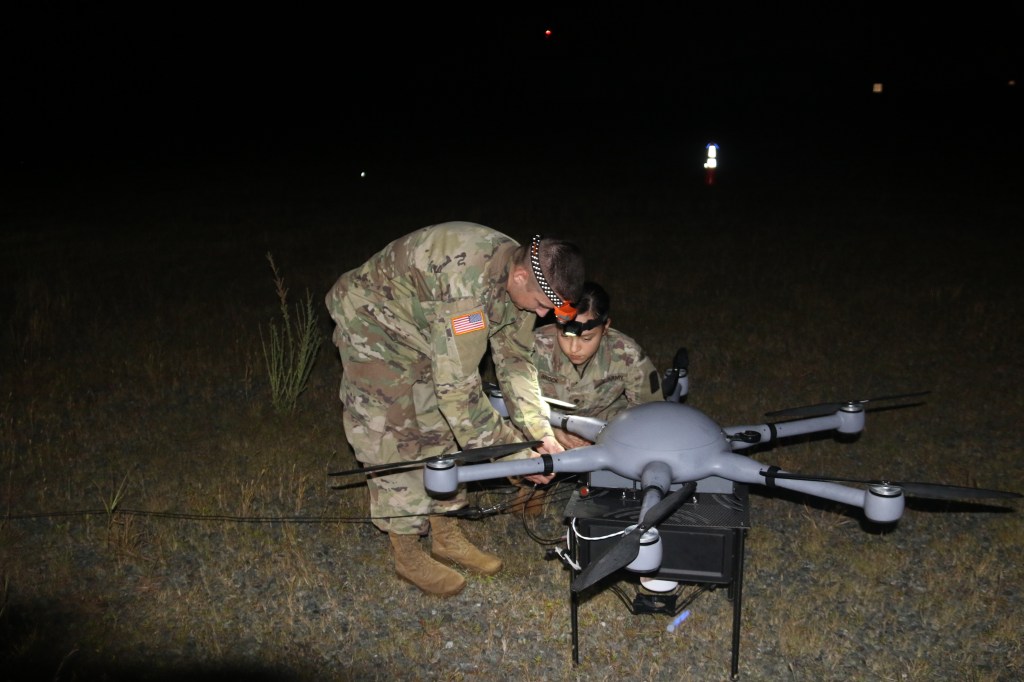
Can the Pentagon achieve cybersecurity through obscurity?
At Cybercon, a proposal to reduce industry transparency in the name of national security.
-
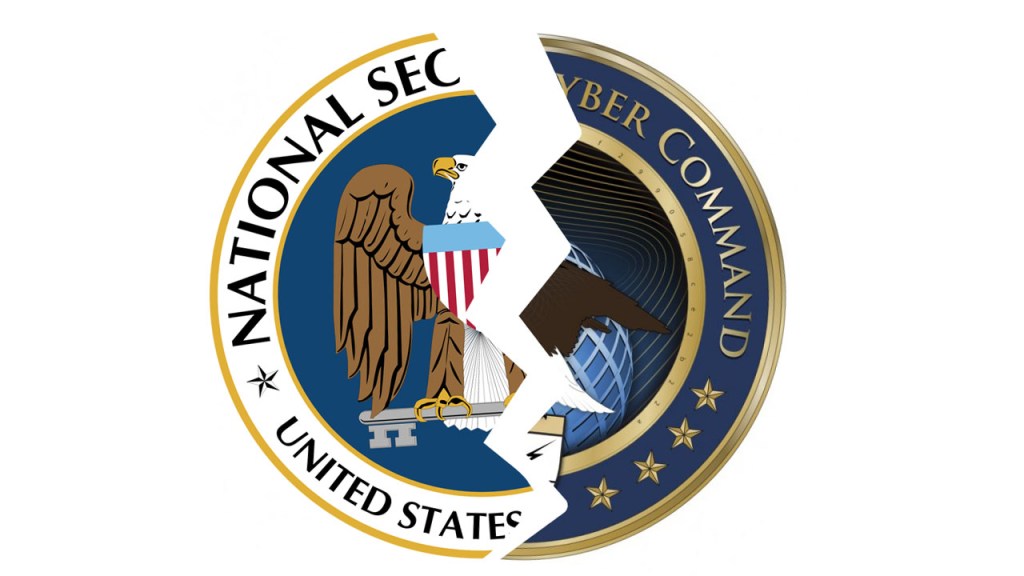
Should other nations be worried about Cyber Command’s latest status?
When President Trump elevated CYBERCOM to full combatant command status, it marked a final acknowledgement that cyber is a vital component of American war fighting.
-
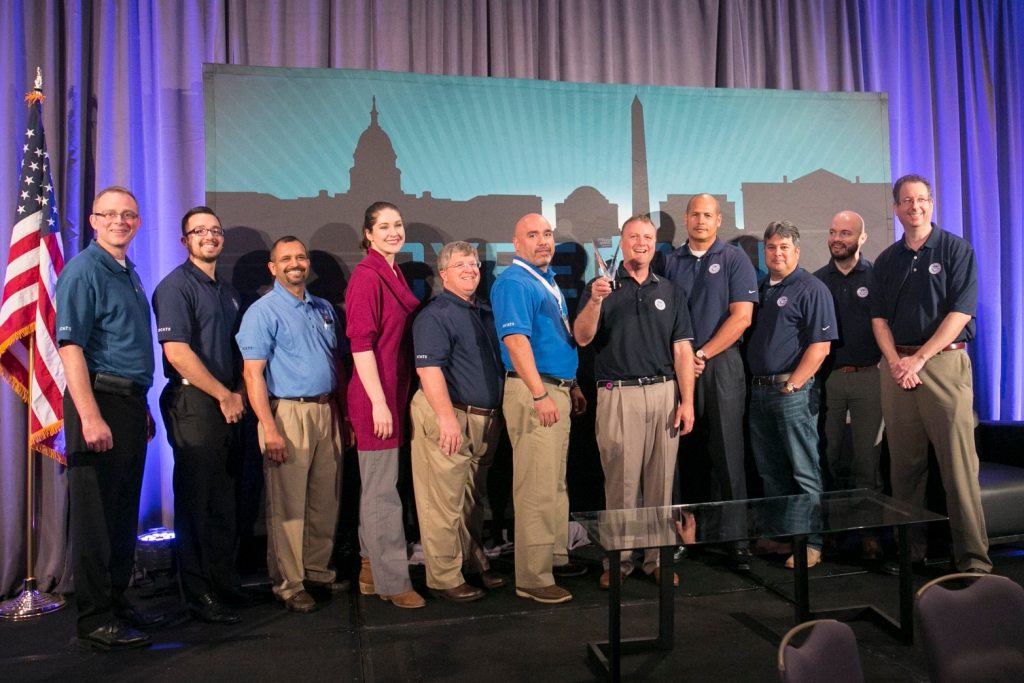
Vanguard Awards honor innovators on front lines of public service
Presenting the winners of the inaugural Vanguard Awards.
-
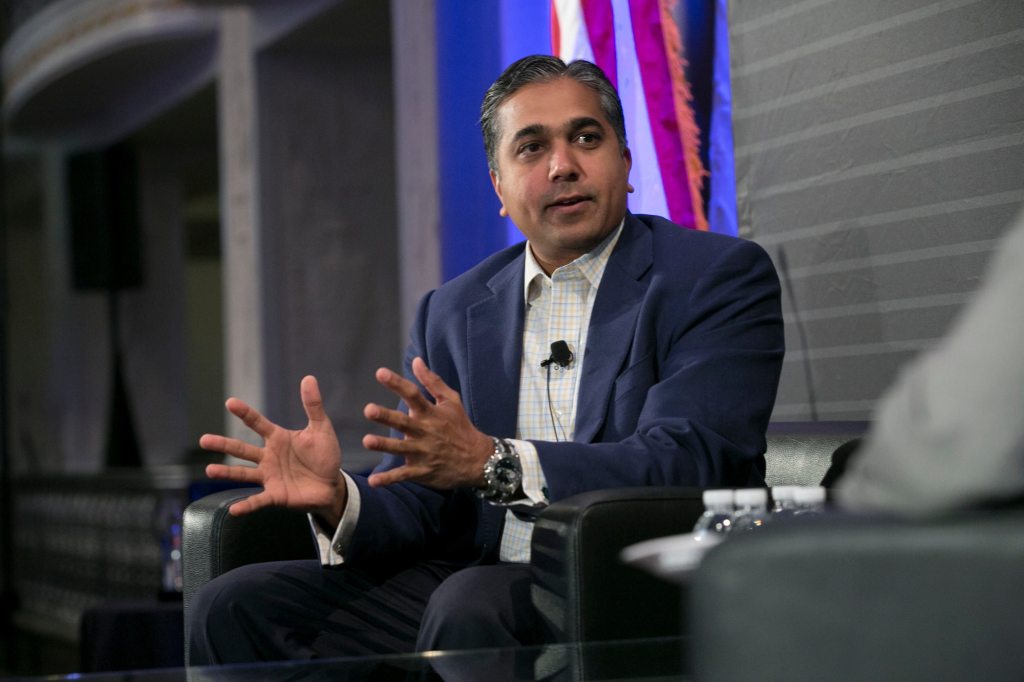
DIUx should continue reporting to Pentagon chief in Trump administration, director says
Raj Shah made his case for keeping the DIUx office under a Trump administration.
-

The Army’s cyber ops has a data problem
The Army’s cyber operations are challenged by the amount of data flowing through the network, according to the service’s cyber director in the Army’s G-3/5/7 branch.
-
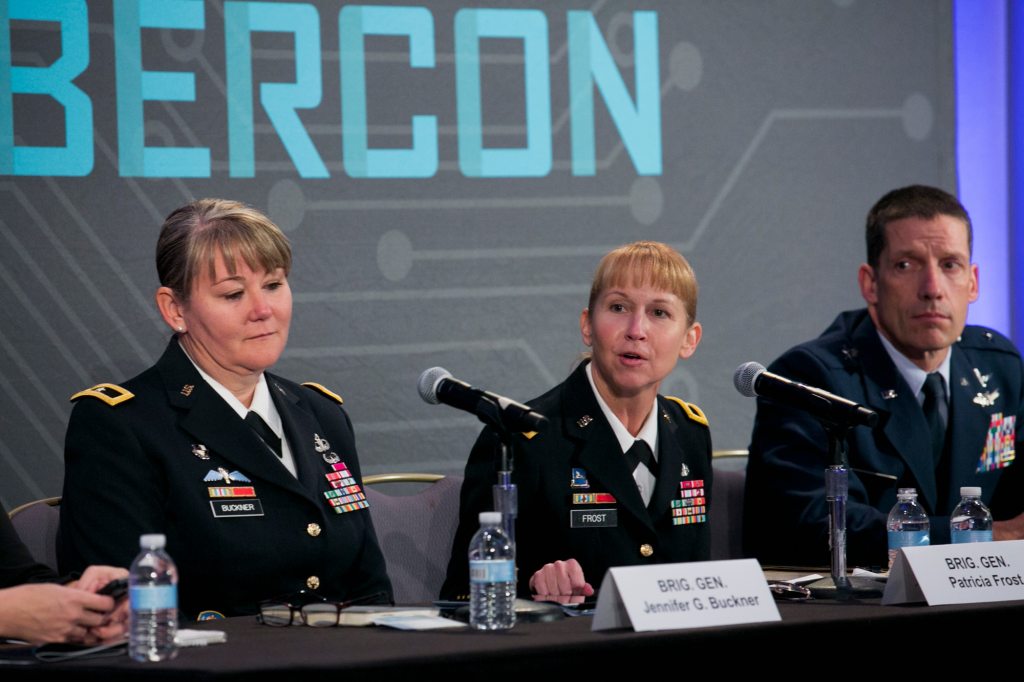
Army battles policy hurdles in cyber electromagnetic activities
The Army stood up cyber electromagnetic activity cells that can — by way of challenging capabilities integration work — operate effectively at the tactical level, the cyber director in the Army’s G-3/5/7 division said. Among the key challenges, however, is working through some of the bureaucratic hurdles.
-
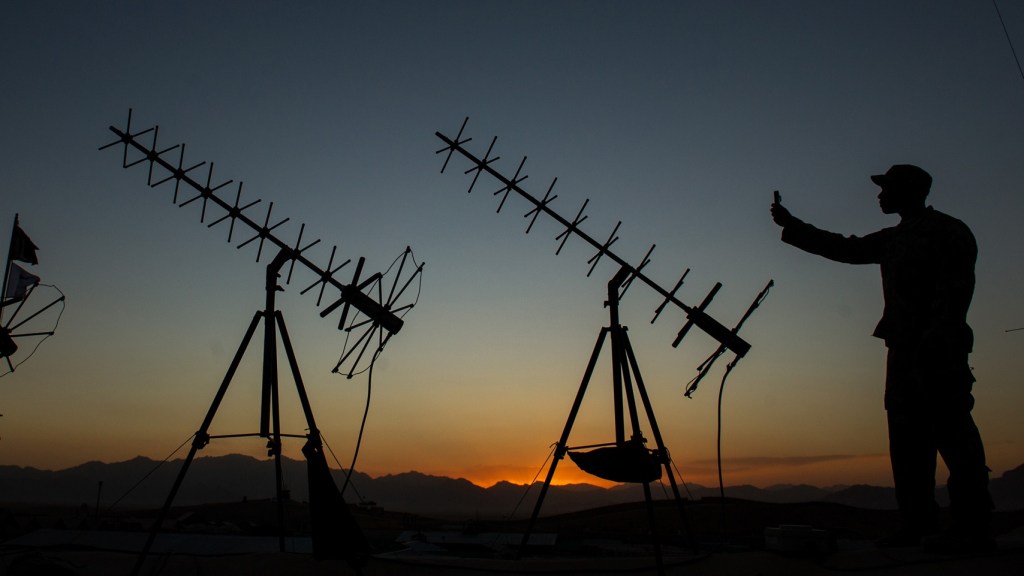
Air Force wants industry input for enhanced electromagnetic battle management capability
In a post listed on the FedBizOpps website, the Air Force desires capabilities that will provide situational awareness and command and control of the electromagnetic spectrum.
-

Army announces its own ‘Hack the Pentagon’
Following an announcement last month that the Defense Department will be expanding its revolutionary bug bounty program, which provides monetary compensation to outside hackers that discover and disclose vulnerabilities on DoD networks, the Army unveiled its iteration of this innovative initiative.
-

NIST unveils Internet of Things cybersecurity guidance
The agency seeks to clarify that quandary of securing the Internet of Things with new guidance.
-
IRS launches first civilian agency bug bounty program
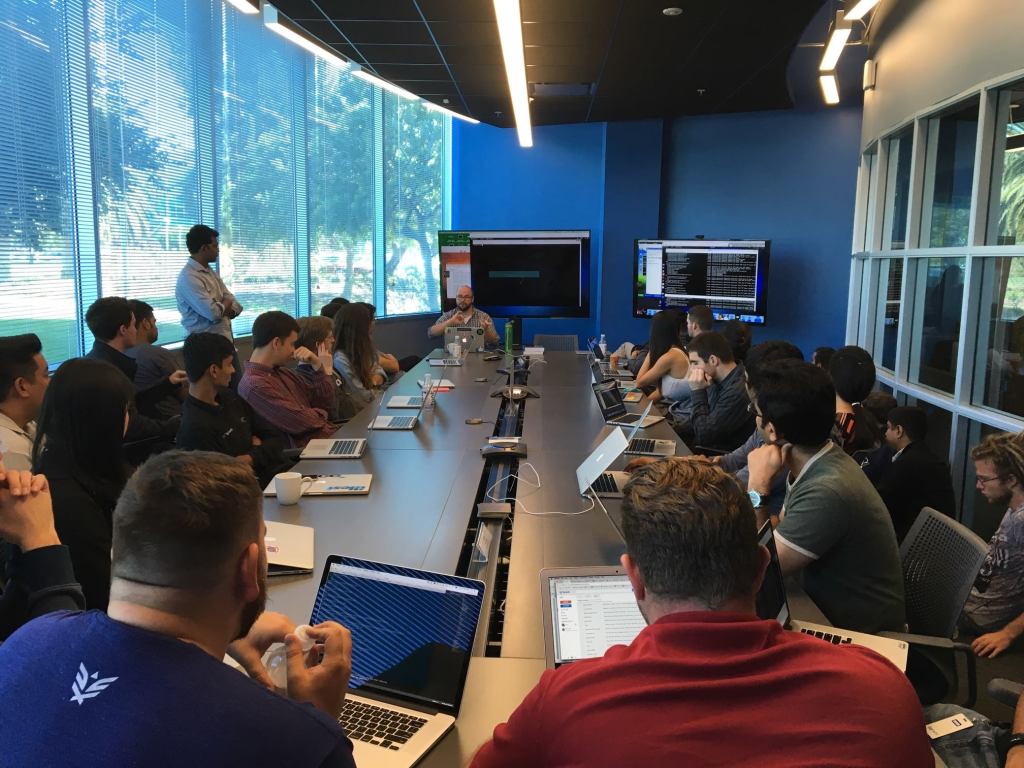
First Hack the Pentagon, then Hack the Army, now Hack the IRS.
-
President-elect Trump could face cyber crisis in first 100 days
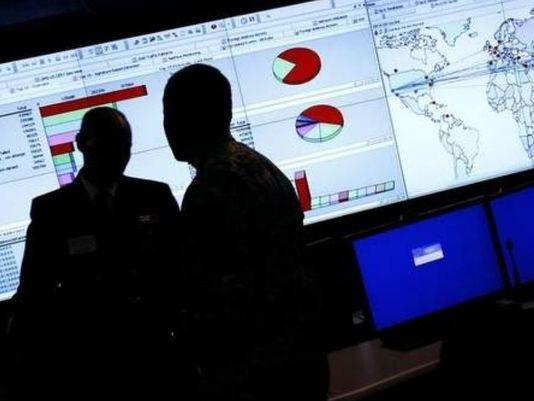
Research and advisory group Forrester has released its 2017 predictions document, “Dynamics That Will Shape the Future in the Age of the Customer,” which includes several takeaways on the ramifications of poor cybersecurity.