-
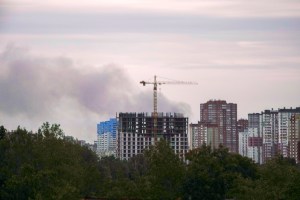
Prolonged war may make Russia more cyber aggressive, US official says
“We have to keep our shields up,” said Neal Higgins, the deputy national cyber director for national cybersecurity. “We can’t let our guard down.”
-

To maximize cybersecurity dollars, lean on Zero Trust
Getting quickly to a Zero Trust architecture is more important than ever. Implementing C2C is a means available now to continuously identify and control access for all endpoints connecting to the network, making a comprehensive Zero Trust architecture achievable.
-
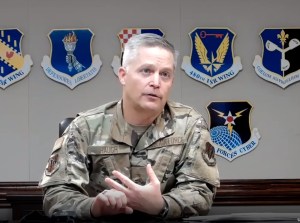
Air Force’s Haugh confirmed as US Cyber Command deputy
In 2019, he said the U.S. was “engaged in power competition with adversaries in all domains today,” further describing intelligence as “the fuel that commanders require to maneuver in response.”
-
Feared Russian cyberattacks against US have yet to materialize
“The threat environment isn’t getting any less dynamic, less complex, less dangerous,” said CISA Director Jen Easterly. And the “threat actors are not getting any less sophisticated.”
-
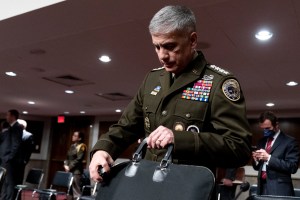
Cyber Mission Force could continue growing, says commander
“We are a different force today than we were even four years ago, when I took over,” Gen. Paul Nakasone said, addressing a House Armed Services subcommittee April 5.
-
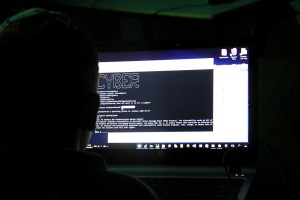
Russian efforts in Ukraine have not yet spilled over into cyberattacks on US, says lawmaker
“Russia is one of the two most capable cyber adversaries we face globally. Whether they have the ability to completely destabilize our country and win a war is a whole different conversation.”
-

Biden: Russia mulling cyberattacks on US
“As I said, the magnitude of Russia’s cyber capacity is fairly consequential, and it’s coming,” President Joe Biden said March 21.
-

Blue, yellow and gray zone: The cyber factor in Ukraine
Russia’s combined air, land and sea assault on Ukraine was preceded by waves of cyberattacks, the sort of gray-zone meddling analysts and defense officials had foreseen. Websites were hamstrung. Malware coursed through computers. Communications were hampered. But the efforts were not crippling.
-

How to improve the force? Info and tech investments, says HASC chair.
“You can have the biggest force in the world. If it’s not survivable, if it can’t get into the place that it needs to get in to and fight, then it’s really not doing you too much good.”
-

US Navy memo warns of cyber risks amid global tensions
Hackers have exploited mistakes on Navy and private, at-home networks by stealing or guessing passwords and other credentials, furtively installing malware, and posing as service members or veterans to pry information out of people.
-
Prolonged war may make Russia more cyber aggressive, US official says
“We have to keep our shields up,” said Neal Higgins, the deputy national cyber director for national cybersecurity. “We can’t let our guard down.”
-
To maximize cybersecurity dollars, lean on Zero Trust
Getting quickly to a Zero Trust architecture is more important than ever. Implementing C2C is a means available now to continuously identify and control access for all endpoints connecting to the network, making a comprehensive Zero Trust architecture achievable.
-
Air Force’s Haugh confirmed as US Cyber Command deputy
In 2019, he said the U.S. was “engaged in power competition with adversaries in all domains today,” further describing intelligence as “the fuel that commanders require to maneuver in response.”
-
Feared Russian cyberattacks against US have yet to materialize
“The threat environment isn’t getting any less dynamic, less complex, less dangerous,” said CISA Director Jen Easterly. And the “threat actors are not getting any less sophisticated.”
-
Cyber Mission Force could continue growing, says commander
“We are a different force today than we were even four years ago, when I took over,” Gen. Paul Nakasone said, addressing a House Armed Services subcommittee April 5.
-
Russian efforts in Ukraine have not yet spilled over into cyberattacks on US, says lawmaker
“Russia is one of the two most capable cyber adversaries we face globally. Whether they have the ability to completely destabilize our country and win a war is a whole different conversation.”
-
Biden: Russia mulling cyberattacks on US
“As I said, the magnitude of Russia’s cyber capacity is fairly consequential, and it’s coming,” President Joe Biden said March 21.
-
Blue, yellow and gray zone: The cyber factor in Ukraine
Russia’s combined air, land and sea assault on Ukraine was preceded by waves of cyberattacks, the sort of gray-zone meddling analysts and defense officials had foreseen. Websites were hamstrung. Malware coursed through computers. Communications were hampered. But the efforts were not crippling.
-
How to improve the force? Info and tech investments, says HASC chair.
“You can have the biggest force in the world. If it’s not survivable, if it can’t get into the place that it needs to get in to and fight, then it’s really not doing you too much good.”
-
US Navy memo warns of cyber risks amid global tensions
Hackers have exploited mistakes on Navy and private, at-home networks by stealing or guessing passwords and other credentials, furtively installing malware, and posing as service members or veterans to pry information out of people.
-
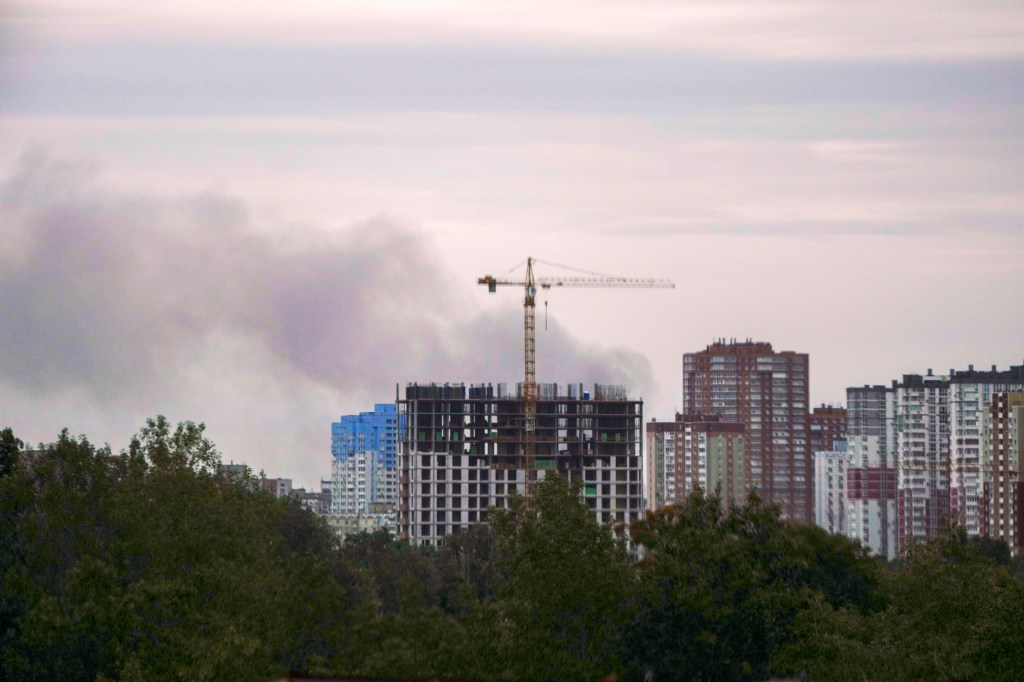
Prolonged war may make Russia more cyber aggressive, US official says
“We have to keep our shields up,” said Neal Higgins, the deputy national cyber director for national cybersecurity. “We can’t let our guard down.”
-
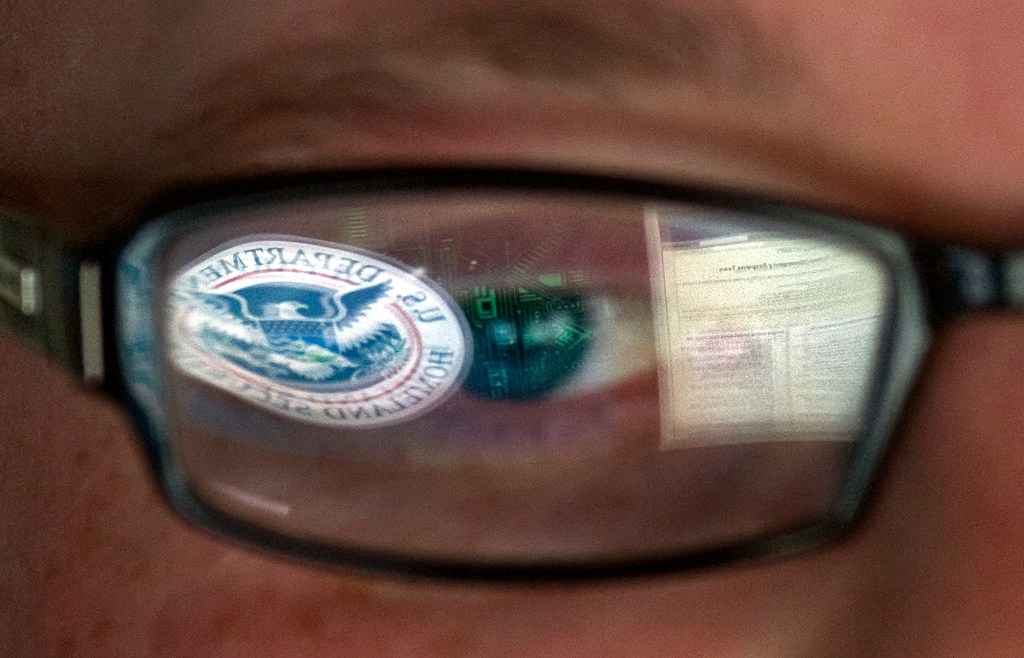
To maximize cybersecurity dollars, lean on Zero Trust
Getting quickly to a Zero Trust architecture is more important than ever. Implementing C2C is a means available now to continuously identify and control access for all endpoints connecting to the network, making a comprehensive Zero Trust architecture achievable.
-
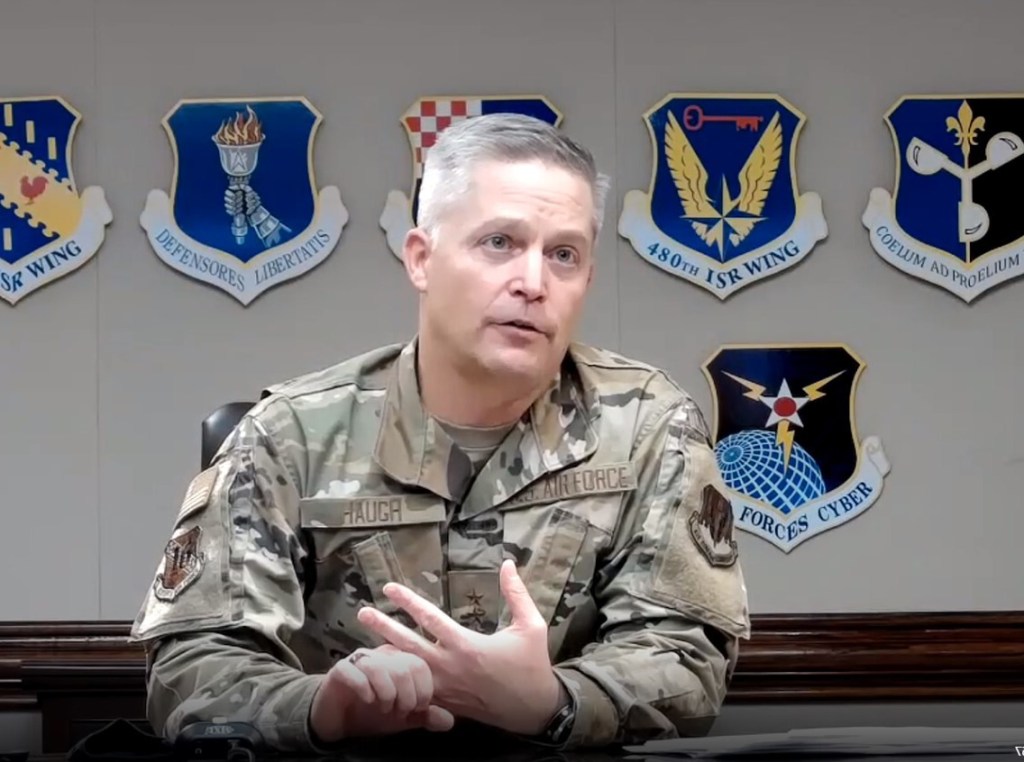
Air Force’s Haugh confirmed as US Cyber Command deputy
In 2019, he said the U.S. was “engaged in power competition with adversaries in all domains today,” further describing intelligence as “the fuel that commanders require to maneuver in response.”
-
Feared Russian cyberattacks against US have yet to materialize
“The threat environment isn’t getting any less dynamic, less complex, less dangerous,” said CISA Director Jen Easterly. And the “threat actors are not getting any less sophisticated.”
-
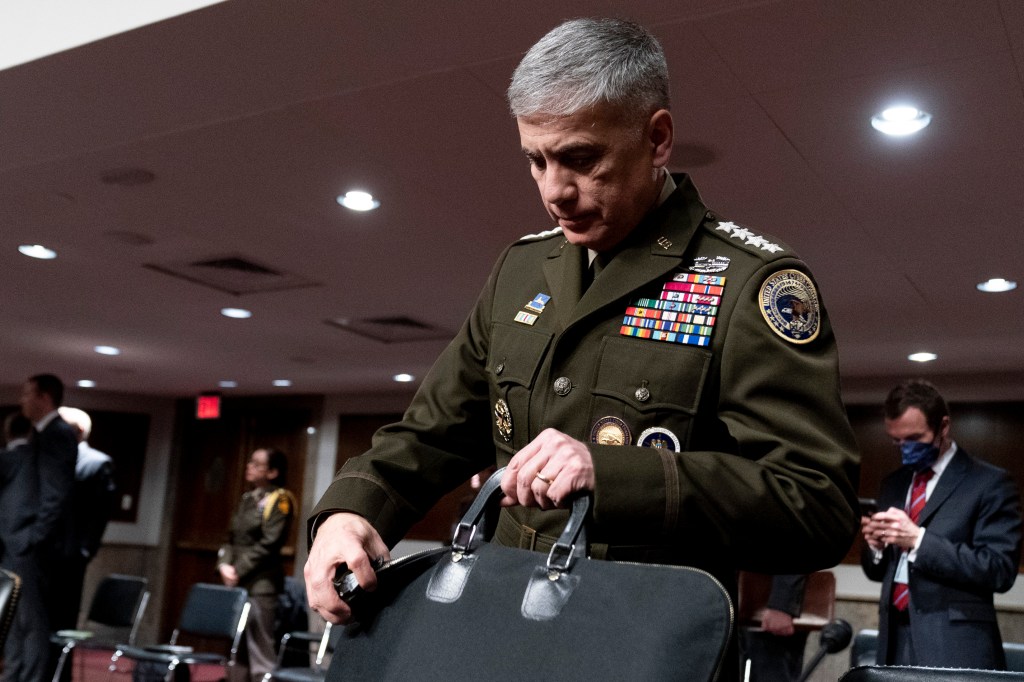
Cyber Mission Force could continue growing, says commander
“We are a different force today than we were even four years ago, when I took over,” Gen. Paul Nakasone said, addressing a House Armed Services subcommittee April 5.
-
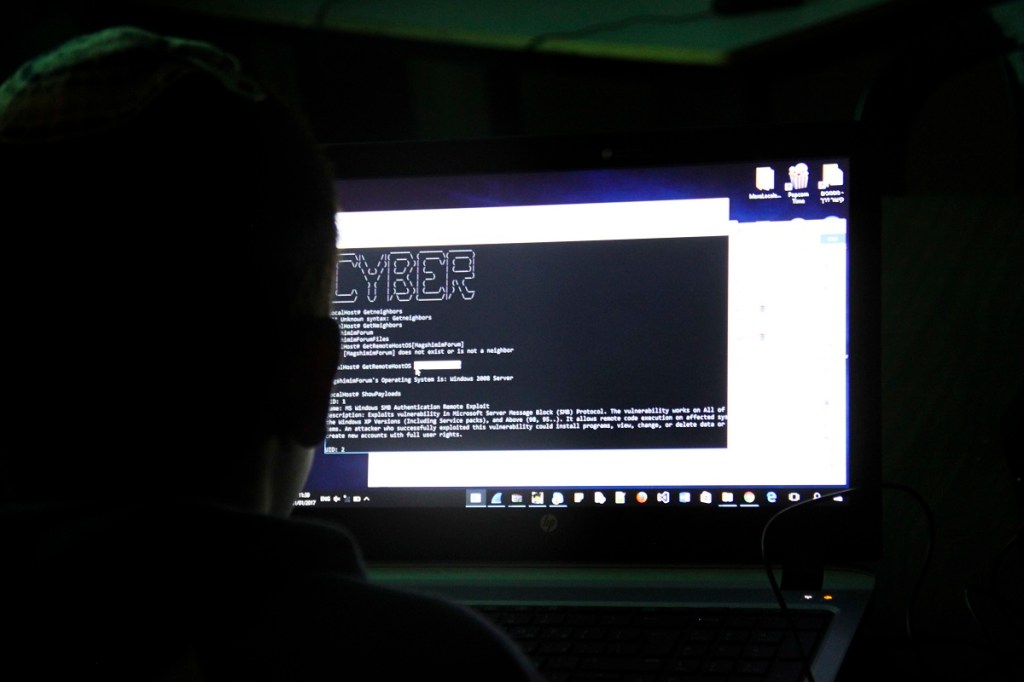
Russian efforts in Ukraine have not yet spilled over into cyberattacks on US, says lawmaker
“Russia is one of the two most capable cyber adversaries we face globally. Whether they have the ability to completely destabilize our country and win a war is a whole different conversation.”
-

Biden: Russia mulling cyberattacks on US
“As I said, the magnitude of Russia’s cyber capacity is fairly consequential, and it’s coming,” President Joe Biden said March 21.
-
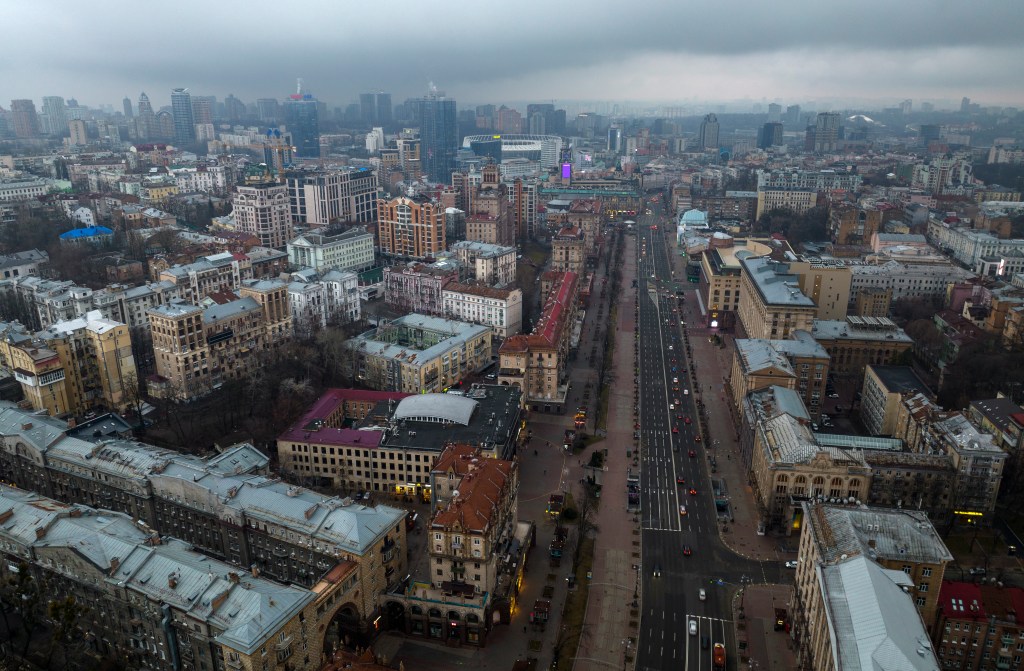
Blue, yellow and gray zone: The cyber factor in Ukraine
Russia’s combined air, land and sea assault on Ukraine was preceded by waves of cyberattacks, the sort of gray-zone meddling analysts and defense officials had foreseen. Websites were hamstrung. Malware coursed through computers. Communications were hampered. But the efforts were not crippling.
-

How to improve the force? Info and tech investments, says HASC chair.
“You can have the biggest force in the world. If it’s not survivable, if it can’t get into the place that it needs to get in to and fight, then it’s really not doing you too much good.”
-
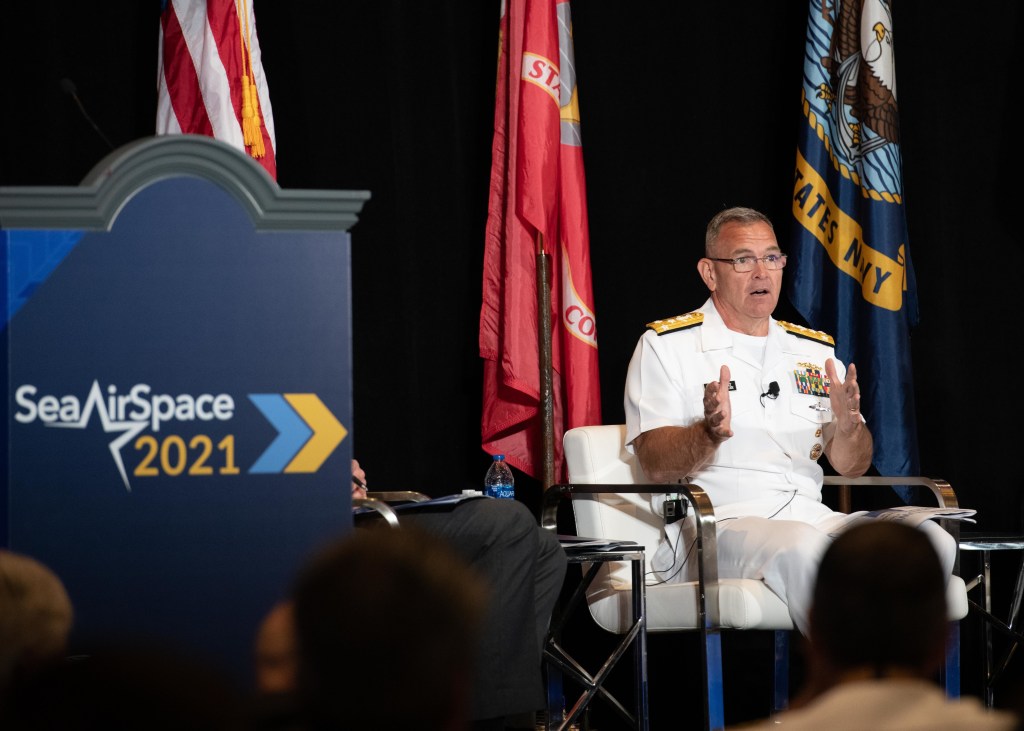
US Navy memo warns of cyber risks amid global tensions
Hackers have exploited mistakes on Navy and private, at-home networks by stealing or guessing passwords and other credentials, furtively installing malware, and posing as service members or veterans to pry information out of people.