Department of Homeland Security officials are worried about data security and U.S. citizens’ confidence in the voting process for the upcoming midterm elections, according to a top cybersecurity official.
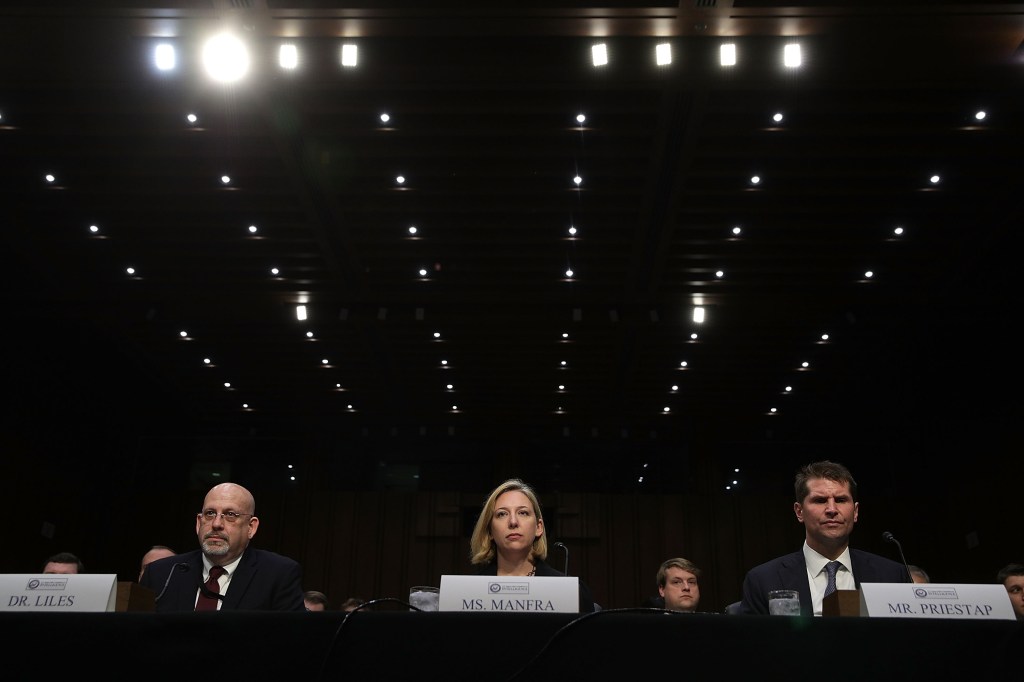
DHS leaders are concerned about hackers changing the voting registration lists or deleting the data outright, Jeanette Manfra, DHS’ assistant secretary for cybersecurity and communications said during the DEF CON conference in Las Vegas.
In addition, if the provisional election results that come out on voting day are different than the certified election results that are finalized weeks later, it could also cast doubt on the election process, Manfra said.
Her statements come after top U.S. officials have warned that Russia is continuing to undermine the American election process.
Manfra said that while hackers may be able to attack individual voting machines, it was difficult to alter the voting tally at scale. Voting machines are largely physically secure there are thousands of jurisdictions across the country with different systems, she said.
“It’s actually really, really difficult to manipulate the actual vote count itself,” Manfra said.
She added that while the Russians have been attacking the U.S. democratic process for years, technology now has simply allowed Moscow to do it at scale.